A selection of projects I have led or built since founding Math Mobile in 2016, for clients in Canada, the United States and New Zealand.
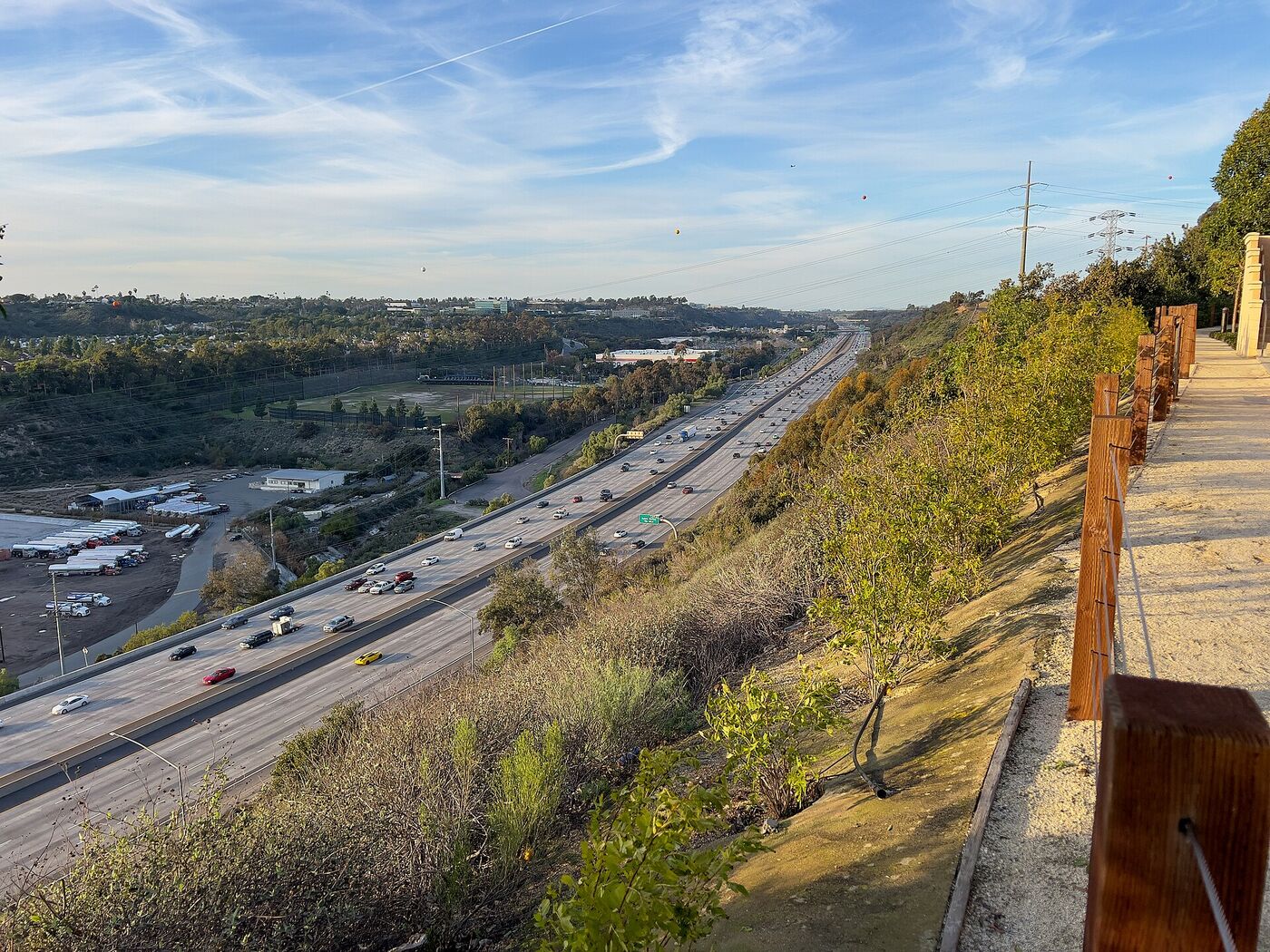 Photo: Z3lvs, CC0, Wikimedia Commons
Modelling · Algorithms
Photo: Z3lvs, CC0, Wikimedia Commons
Modelling · Algorithms
Adaptive ramp metering, from San Diego to Toronto
FHWA (United States) · Ontario Ministry of Transportation, with WSP · 2018 – 2026
The challenge
On-ramps create bottlenecks at rush hour. The FHWA wanted to know if a smarter, coordinated way of metering them could keep freeways moving.
What I did
- Built the HERO algorithm into Aimsun, where it didn't exist, and tested it on San Diego's I-15 corridor.
- Adapted it for the MTO on 58 ramps of Toronto's Queen Elizabeth Way.
- Most recently, modelled decongestion measures for the MTO's Highway 401 study.
Result
HERO beat every strategy tested and cut freeway travel time by 4%. Published in Transportation Research Record (2019) and in an FHWA report.
TRR paper ↗
FHWA report ↗
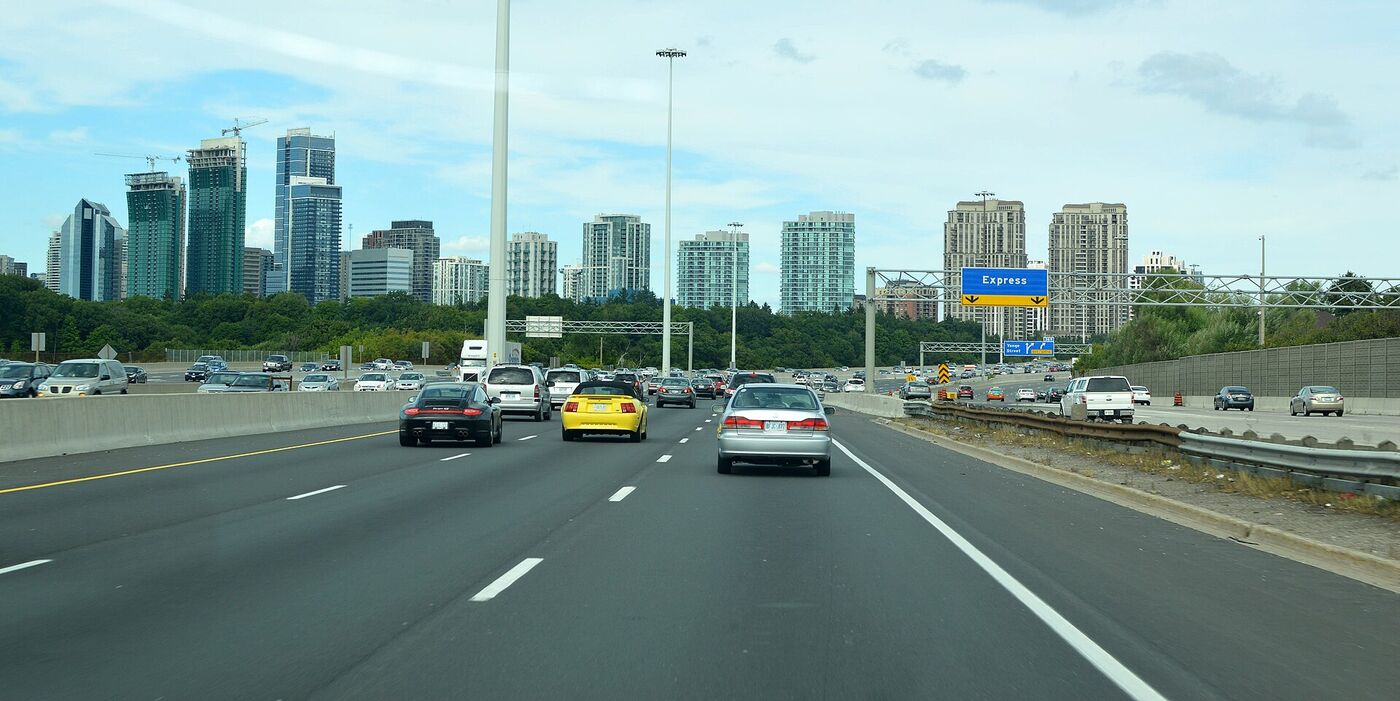 Photo: Haljackey, CC BY-SA 3.0, Wikimedia Commons
Modelling · Data
Photo: Haljackey, CC BY-SA 3.0, Wikimedia Commons
Modelling · Data
Toll lane scenarios for Toronto's 401 and 407 corridors
Acciona, through Aimsun · 2020 – 2021
The challenge
Would toll lanes on Toronto's busiest freeways ease congestion and pay for themselves?
What I did
- Built a model of the region's freeways that reflects who is willing to pay a toll.
- Combined large-scale trip data with travel survey data.
- Compared scenarios with and without toll lanes on the 401 and 407.
Result
A solid basis for the client to compare toll lane options on both traffic and revenue.
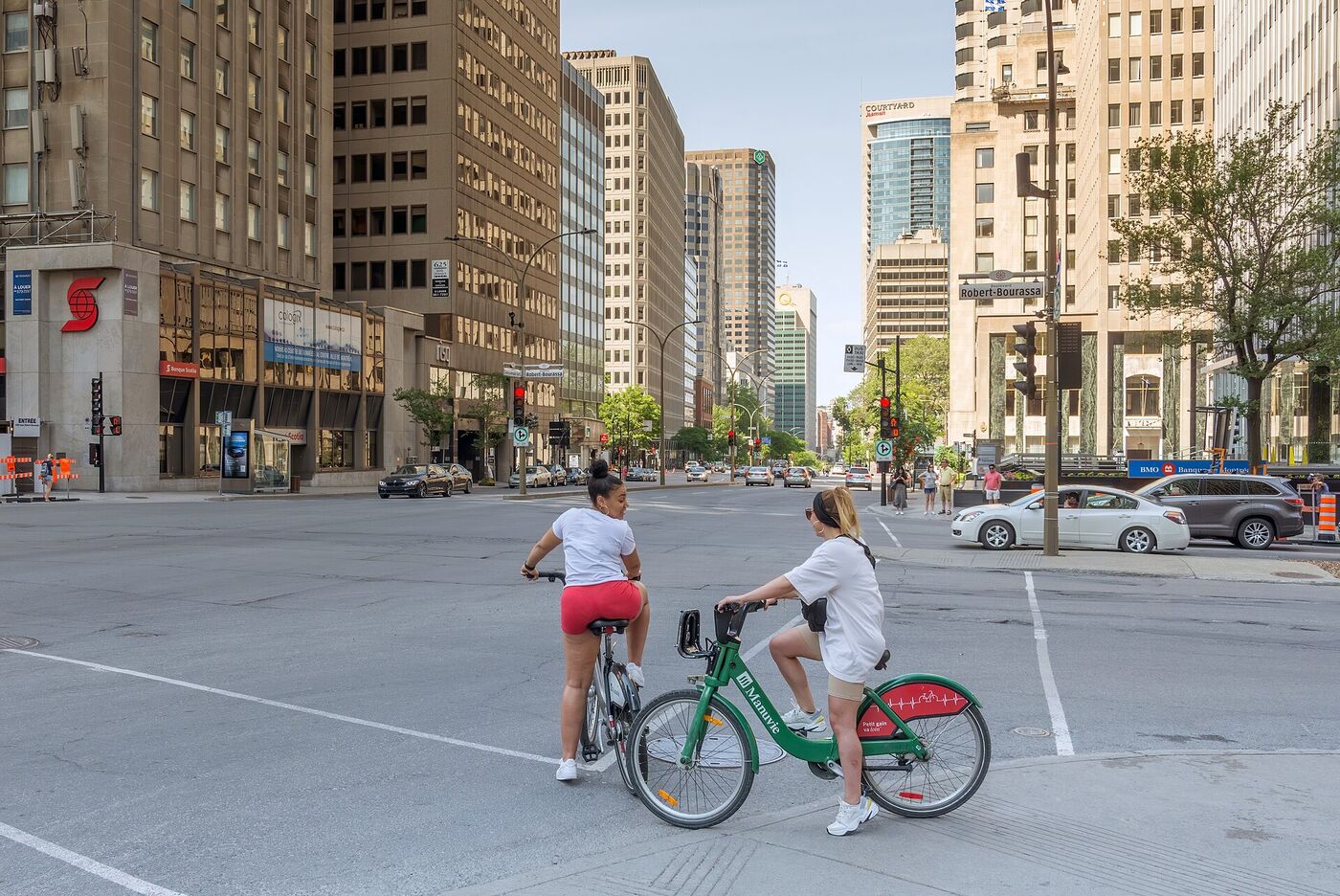 Photo: Wilfredor, CC BY-SA 4.0, Wikimedia Commons
Data · Mobile app
Photo: Wilfredor, CC BY-SA 4.0, Wikimedia Commons
Data · Mobile app
MTL Trajet: a city-wide travel survey app
City of Montréal · 2019 – 2022
The challenge
The City needed to take over its MTL Trajet travel survey app, modernize it and run a city-wide survey.
What I did
- Diagnosed and improved the iOS and Android app.
- Brought the City and its transit partners (STM, MTQ, ARTM, STL, RTL) together to test it.
- Supported users during the survey, delivered clean data, then helped the City's team take the app over.
Result
A successful 2019 survey with analysis-ready data, and an app now in the City's hands.
MTL Trajet study ↗
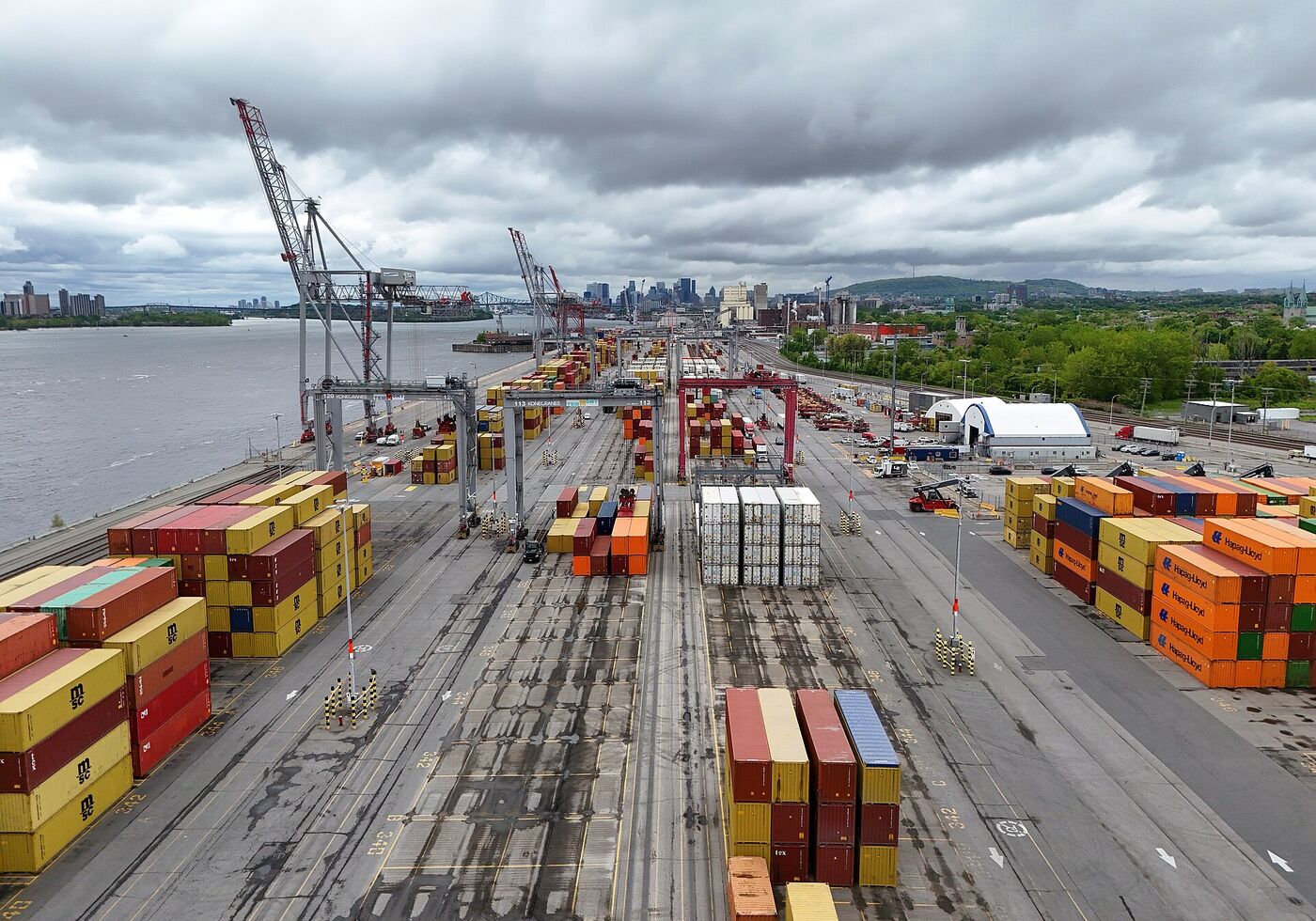 Photo: Quintin Soloviev, CC BY 4.0, Wikimedia Commons
Data · Modelling
Photo: Quintin Soloviev, CC BY 4.0, Wikimedia Commons
Data · Modelling
Truck data for the Port of Montréal
Port of Montréal · 2022 – today
The challenge
With the Louis-Hippolyte-La Fontaine tunnel works, the Port needs to understand how trucks reach its terminals.
What I did
- Mapped where trucks come from and which routes they take.
- Turned raw truck GPS data into usable trips.
- Built traffic models to test scenarios around the Port.
Result
Ongoing data and modelling support for the Port's Trucking PORTal and its planning.
Trucking PORTal ↗
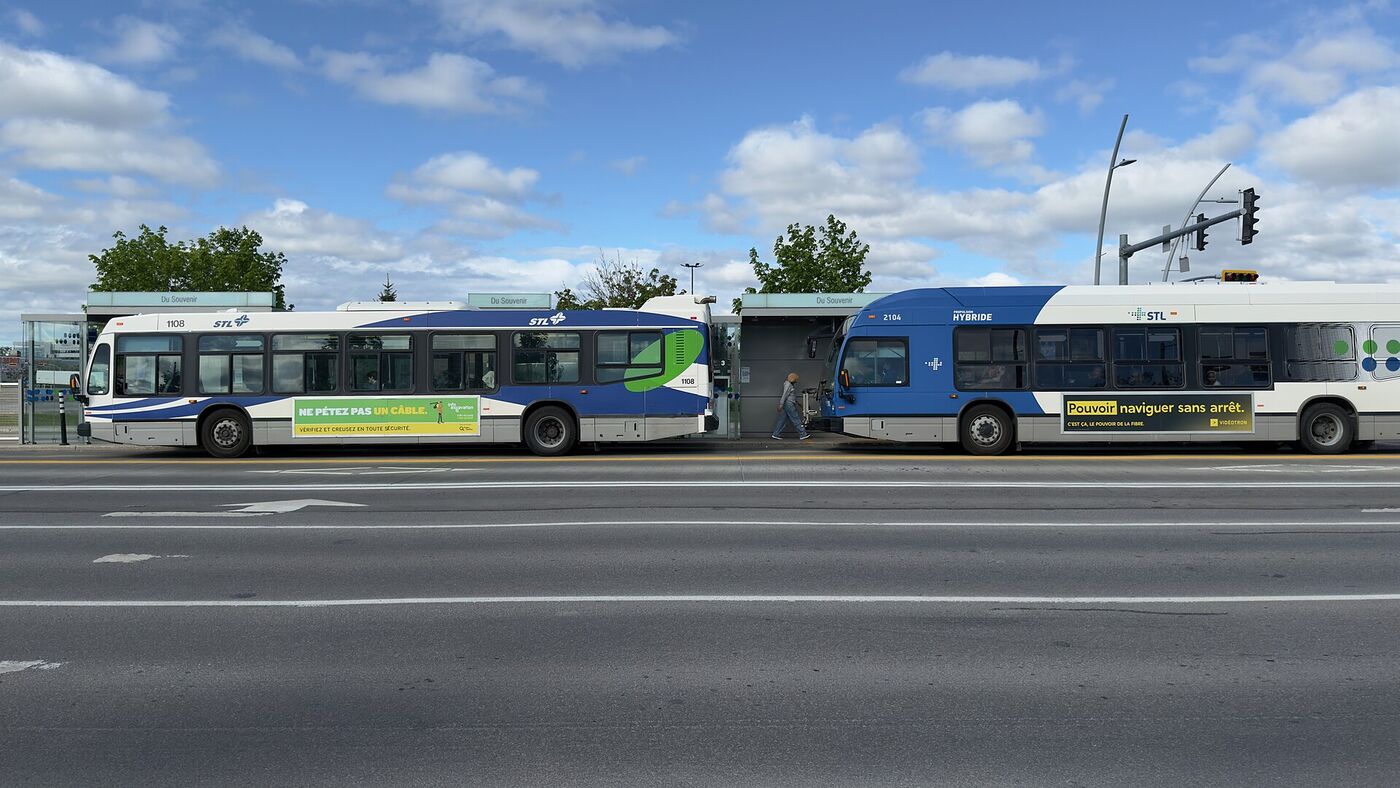 Photo: One of Many Tims, CC BY 4.0, Wikimedia Commons
Signals · Transit
Photo: One of Many Tims, CC BY 4.0, Wikimedia Commons
Signals · Transit
Transit signal priority, from simulation to the street
Société de transport de Laval · City of Laval · TTC · 2019 – today
The challenge
Giving buses priority at traffic lights speeds up transit, but only if it is well designed and doesn't penalize other traffic.
What I did
- Simulated, lab-tested and field-tested bus priority in Laval.
- Wrote the City of Laval's best-practice guide for its signal engineers.
- Bus priority studies for the TTC in Toronto, and upcoming work on Tramcité with CDPQ Infra.
Result
Industry benchmark: well-designed bus priority typically cuts bus travel times by 10–15%, with minimal impact on other traffic (USDOT).
TSP Handbook (USDOT) ↗
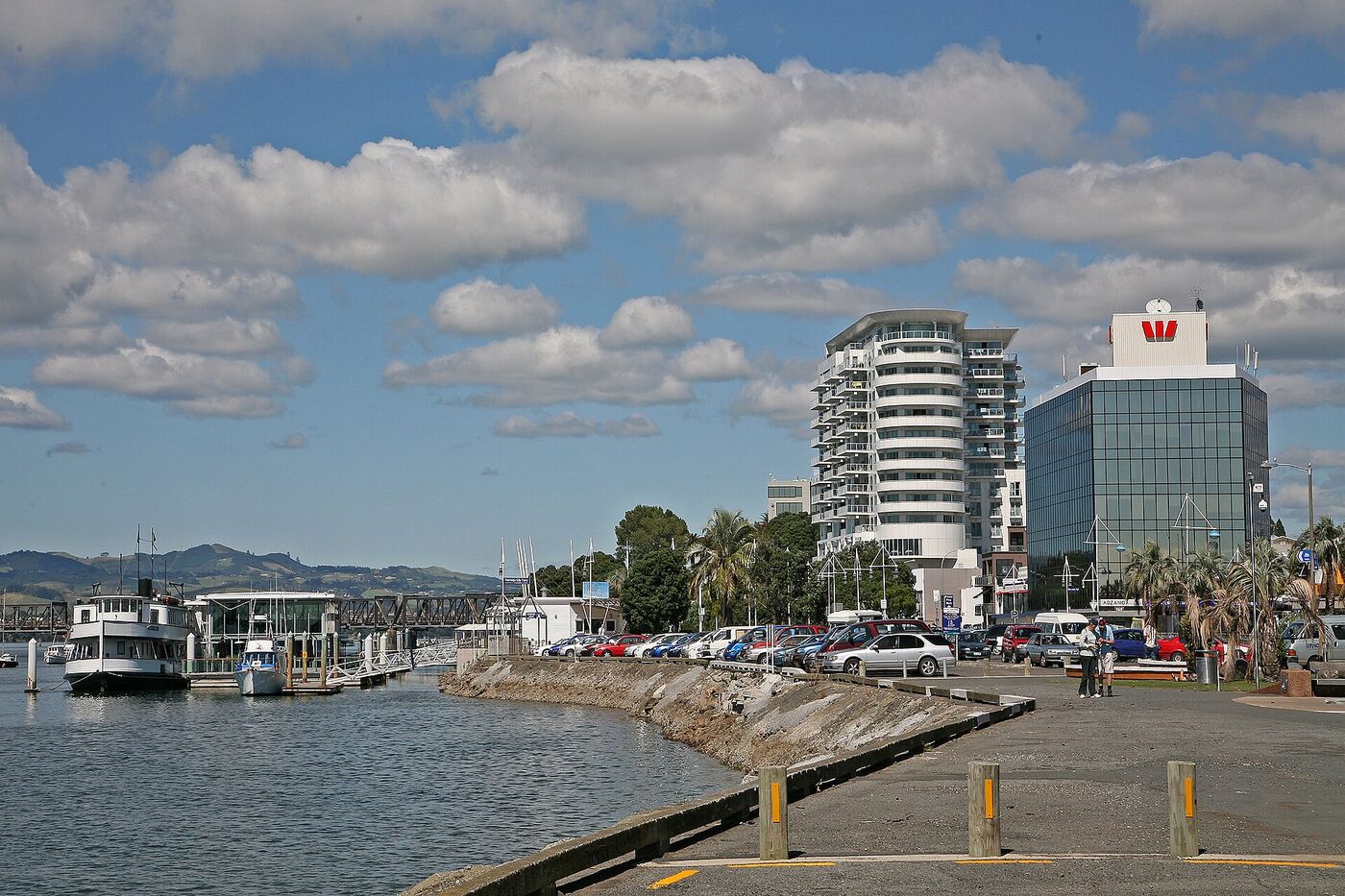 Photo: W. Bulach, CC BY-SA 4.0, Wikimedia Commons
Review · Scripts
Photo: W. Bulach, CC BY-SA 4.0, Wikimedia Commons
Review · Scripts
Auditing a city's modelling toolchain
Tauranga City Council, New Zealand, through Aimsun · 2020 – 2021
The challenge
The City relied on modelling scripts written by a third party that were error-prone and poorly documented.
What I did
- Reviewed, fixed and simplified every script.
- Documented the whole modelling process.
- Trained the City's team on the updated tools.
Result
A reliable, documented process the City's team can run. I offer the same review for any team's models and scripts, including AI-written ones.
More projects
- City of Québec (2024–2025): added an intersection analysis that Aimsun doesn't offer natively.
- Peel Region (2022): automated traffic signal plans for a Greater Toronto model.
- Pointe-Longueuil (2024–): traffic model of the Longueuil metro area, with a focus on buses.
- Orlando and San Diego (2018–2019): regional Aimsun models, including adaptive traffic signals.
- Las Vegas (2017): regional Aimsun model, with automated data import.
Have a similar challenge?
Tell me about your project and I'll get back to you to discuss it.
Start a project